When Humberto Valdes left Miami, he quickly realized that what he missed the most wasn’t just the city. It was the everyday comforts that come with growing up in a Cuban family. Things like Cuban coffee (a cortadito), the smell of fresh Cuban bread, guava pastries, and all the familiar products that flourish in South Florida. The kind of things he had always taken for granted until they were suddenly out of reach.
That longing for the flavors and traditions of the city he grew up in sparked an idea. Valdes set out to create a way to help others stay connected to home. In 2015, he and his younger brother, Kiki Valdes, launched Abuela Mami, a monthly subscription box filled with handpicked Cuban favorites that brought a taste of Miami’s Cuban culture to people living away. Each box included carefully selected items, from Cuban coffee, guava paste, Jupiña, mojo criollo, and plantain chips to kitchen tools, games, sweets, snacks, and nostalgic memorabilia, offering subscribers a connection to the food and traditions they missed.
For Humberto, also known as Humby, missing home became the spark behind his entrepreneurial journey.
“Even going back to my grandfather, entrepreneurship has always been part of our family. He started businesses with his brothers, so I guess it’s just kind of a family thing.”
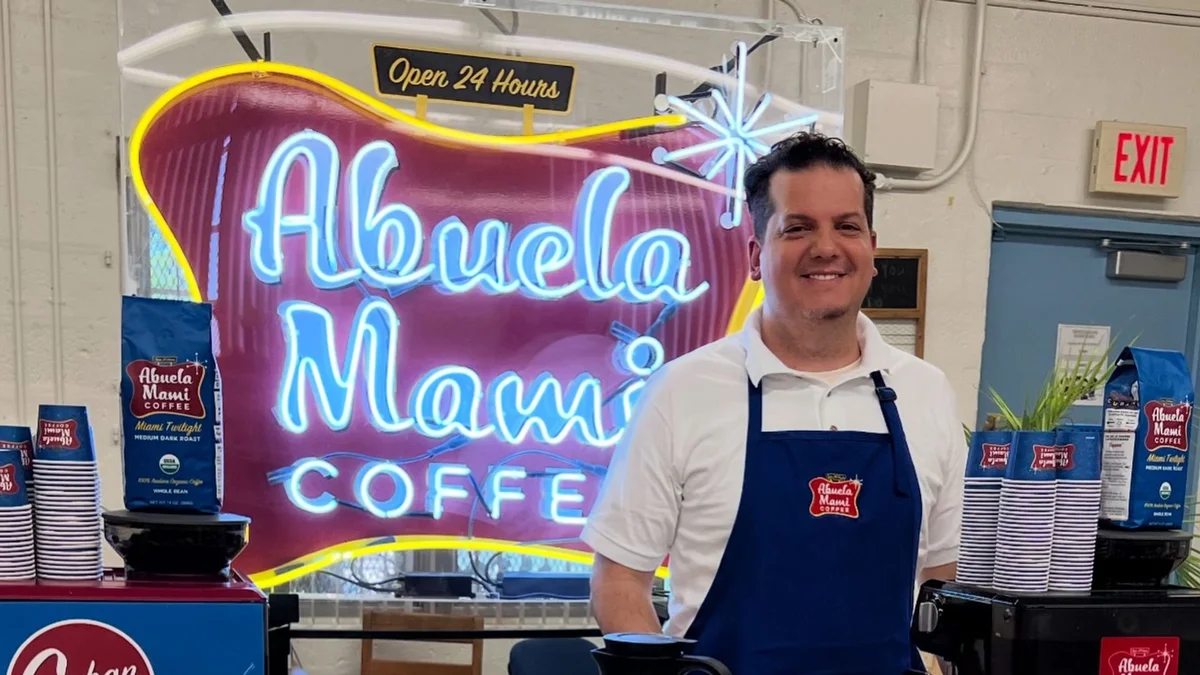
Humberto Valdes
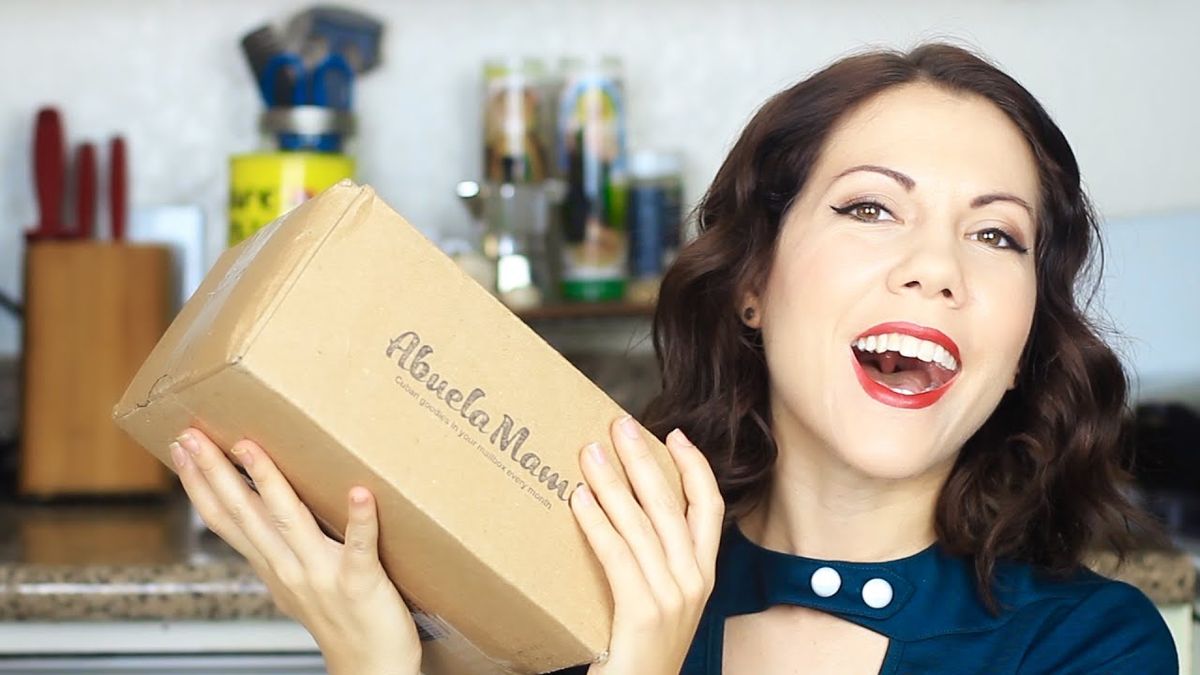
The idea quickly resonated with Cuban Americans living far from home. Fueled by nostalgic social media videos celebrating Miami’s Cuban culture, Abuela Mami built a loyal following and business that ran for more than six years. One of its earliest collaborations featured comedian and content creator Jenny Lorenzo, who perfectly captured the homesickness the brothers set out to solve.
In an unboxing video, she joked that Miami “is just its own little country,” recalling how she once lived within walking distance of beloved institutions like La Carreta, Sergio’s, Rey de la Frita, Palacio de los Jugos, and her favorite bakery, Tammy’s. “When I found out there was a subscription box for homesick natives like me,” she said, “I felt overjoyed.”
Content Creator Jenny Lorezo promoting the first generation of the Cuban Subscription Box
As successful as the subscription box became, Humberto and Kiki began thinking about the future. They loved introducing customers to iconic Cuban products, but they also realized they were investing their energy into promoting other brands instead of creating something that was entirely their own. “We started asking ourselves, ‘What product could we create that we’d proudly give to my mom or my grandmother?‘” Valdes says. The answer was coffee.
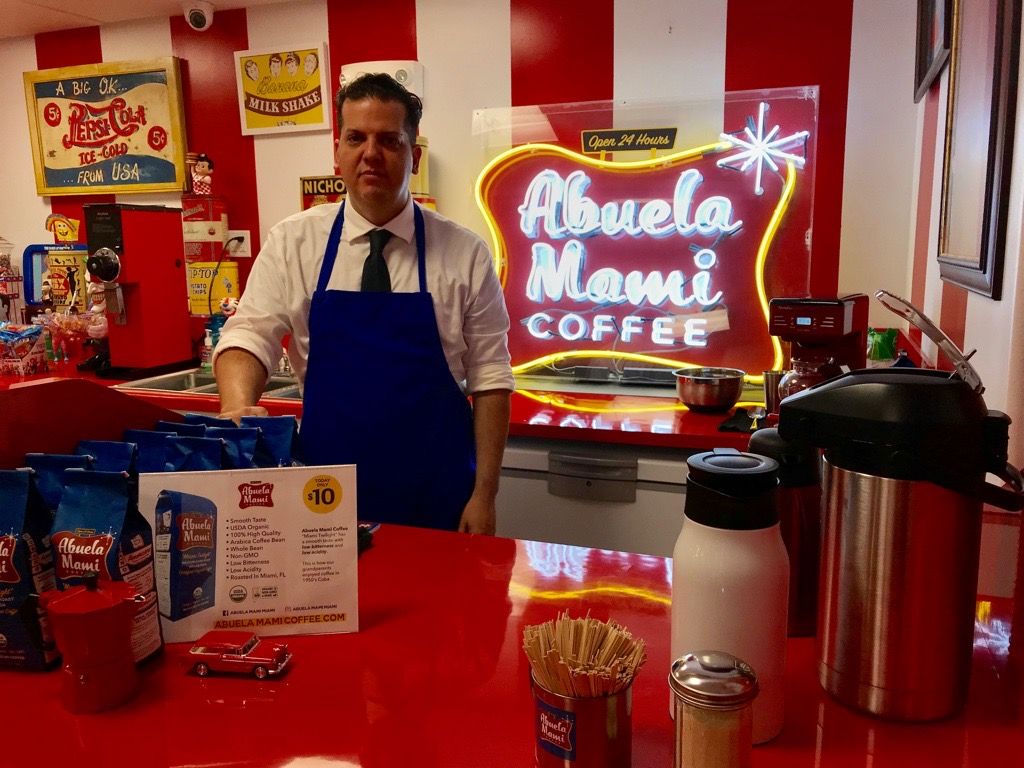
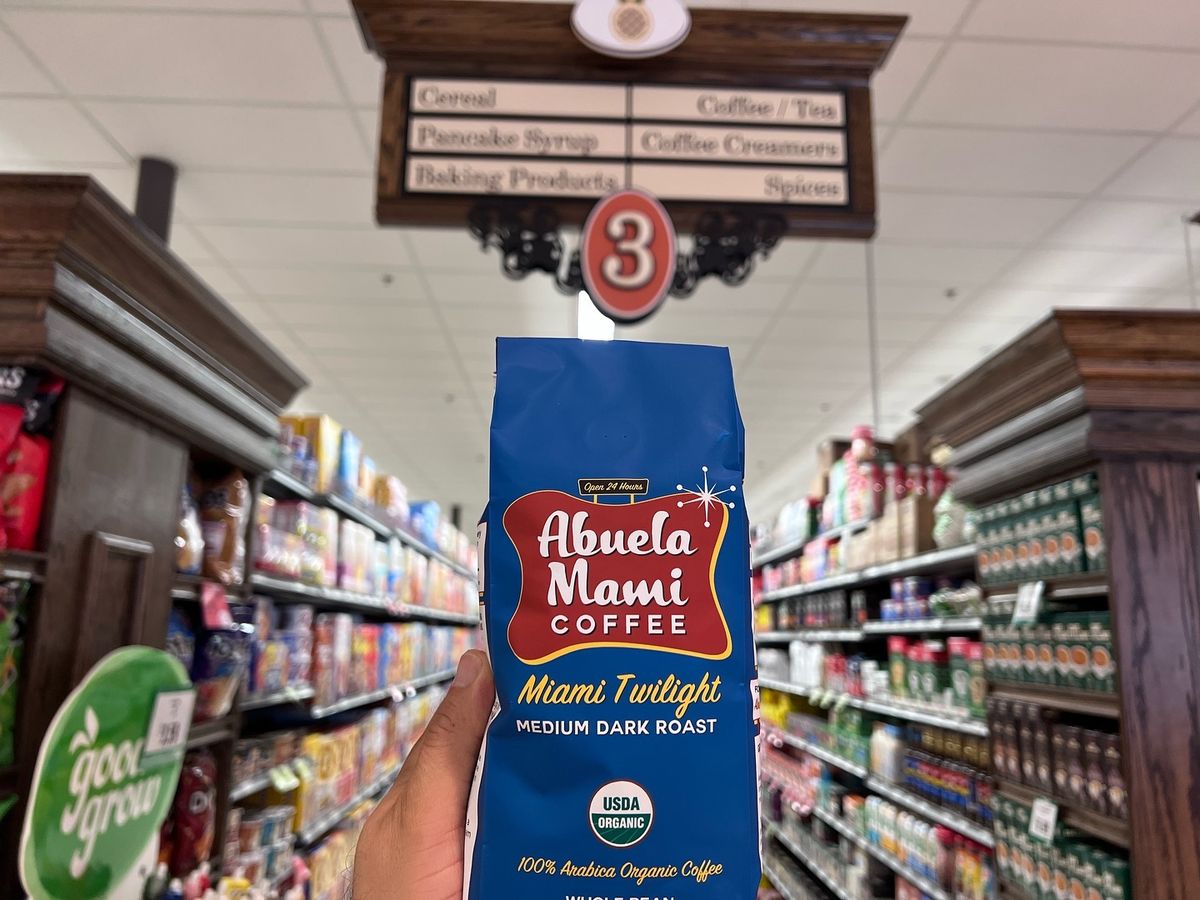
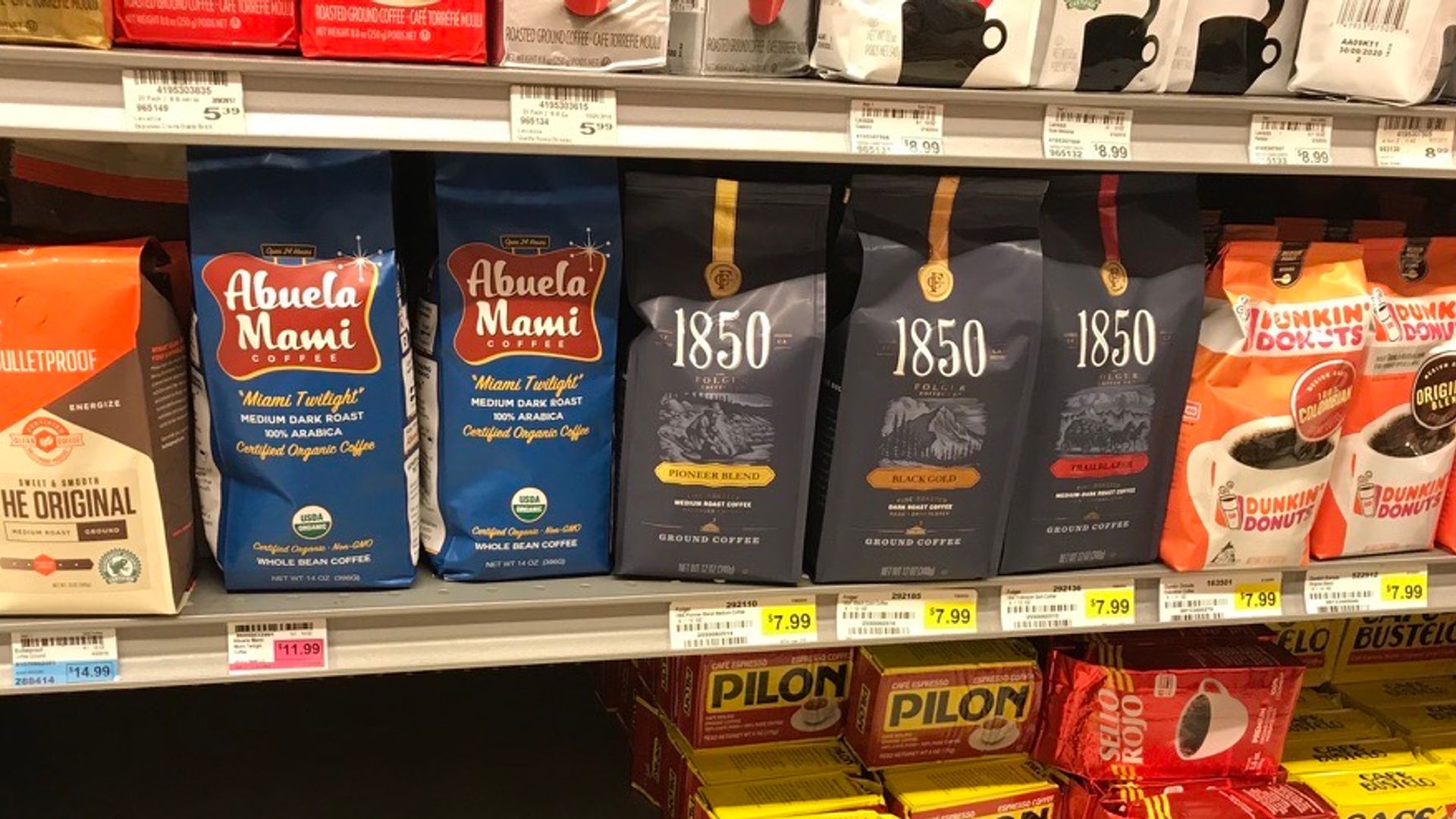
Drawing on a family history that stretches back to his grandfather’s neighborhood bodega and coffee counter in Union City, New Jersey, the brothers developed Abuela Mami Coffee, an organic coffee brand named after their beloved grandmother. Today, Abuela Mami Coffee is sold through their company’s website and is also available at all five Milam’s Market locations across South Florida, a milestone that reflects just how far the family-run business has come.
Their grandmother, Abuela Mami, Blanca Rosa del Río (1925-2018), lived to the age of 93, inspiring her grandsons to keep her memory alive.
¡HOLA! spoke with Valdes about building the company alongside his brother, why testing an idea before chasing perfection became one of his biggest entrepreneurial lessons, and how smart financial decisions helped the company manage cash flow and grow at the right pace.
“She was a very central figure in our family. We wanted the brand to represent that feeling of home, family, and tradition because that’s really what she represented to us.”
Humberto Valdes on the Abuela Mami
More Entrepreneur Stories: Continue reading
Before we talk about the business, let’s start with your family. Who was Abuela Mami, and why was it important to name a company in her honor?
The name came from my grandmother, my abuela. My mom used to call her ‘Mami,’ and when we were kids, we started calling her Mommy too. People would tell us, ‘She’s not your mommy. She’s your abuela.’ Then, after my late uncle Ángel’s son was born, he suggested everyone start calling her ‘Abuela Mami,’ and the name just stayed with us.
She was a very central figure in our family, just like my grandfather. Family has always been at the center of everything we do, so when we started the company, naming it after her felt natural. We wanted the brand to represent that feeling of home, family, and tradition because that’s really what she represented to us.
You grew up in Miami in a Cuban family. When did your culture, those memories, turn into a business idea?
It really happened after I moved away from Miami.
I realized I missed all these products that you can easily find in Miami, or really any place with a large Hispanic community. Things like guava, Cuban coffee, and all those products you don’t even think about when you live here. Then suddenly you’re somewhere else, and you can’t find any of it.
When I moved back to Miami, I started talking to my brother, Kiki. We were like, “We should do a subscription box.”
The idea was simple. There are people who move to Colorado, Wyoming, Texas, or all these places where there’s not a strong Cuban or Hispanic community. Why not send them products every month so they can still feel connected to home?
That’s how Abuela Mami started. It was a subscription box long before it became a coffee brand. It was an eye-opener that I wasn’t the only one who felt that way. There were thousands of people who had left Miami and missed the same little things I did. We just wanted to give them a little piece of home every month.
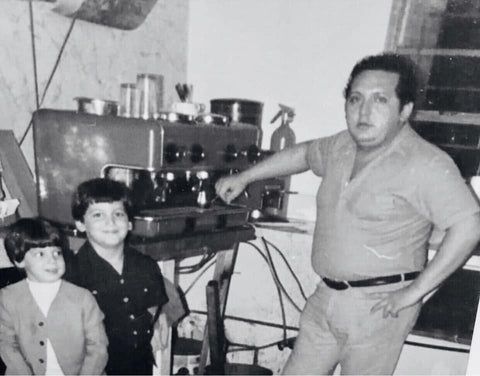
Humberto Valdes as a kid with his father in New Jersey
“If someone takes a sip and it brings back a memory or makes them feel connected to their family and culture, then we’ve done what we set out to do.”
Humberto Valdes
It sounds like nostalgia was really the heart of the idea.
Exactly.
As the subscription box started growing, we also began making videos about Miami’s Cuban culture. We’d go to restaurants, bakeries, cafeterias, places that anybody who grew up here would recognize immediately.
This was around 2015 when Facebook was absolutely popping. I remember one of our videos reached around a million views. Kiki was shooting on this tiny, ridiculous little camera. People online were loving it. Mind you, this was ten years ago, before people were super internet-savvy about content creation. We’d walk into these old-school Cuban places, and the owners would look at us like, “What are you doing? Why are you filming? Who are you?” It was a totally different world.
When we saw our followers’ comments such as: “Man, I miss that place,” or “I wish I could get Cuban bread,” or “I haven’t had café cubano in years,” that’s really when it hit us.
People weren’t just buying products. They were buying a connection to home.
We eventually upgraded the camera, and once we saw the concept was a winner, it gave us the confidence and motivation to keep going.
Coffee became the heart of Abuela Mami, but your family’s connection to coffee goes back. Can you tell me about that?
It does. Coffee has been part of my family’s story for as long as I can remember.
When my family left Cuba, they settled in Union City, New Jersey, which had a really big Cuban community.
My grandfather owned a small neighborhood bodega, and on the side of it was a little cafeteria where they served coffee to commuters and the lunchtime crowd. I also remember watching my dad making coffee for customers behind the counter.
Looking back, I grew up surrounded by coffee, and we associated Abuela Mami with coffee and the bodega because she lived upstairs, and we went there after school. It was part of our family’s everyday life long before it became part of our business. I don’t think any of us imagined we’d one day have our own coffee brand, but in a way, it feels like everything came full circle.
What were those early days like?
We launched on December 15th, 2015, on a whim, but it turned out to be the absolute perfect time because of Christmas. It just took off crazy fast. Kiki designed the box with all these great little graphics of Cuban culture, and quickly it took off.
We started very basic just to see if the idea would work. Honestly, we had no idea if anyone was going to buy it.
We actually launched it before we even incorporated the business. My thinking was, if it didn’t go viral, all the time and money spent on corporate structuring would have been pointless. However, we sold about 100 boxes in the first two weeks. At that point we looked at each other and thought, “Okay…maybe this is actually something.”
Once we saw the momentum, that’s when we officially incorporated, and Abuela Mami was official.
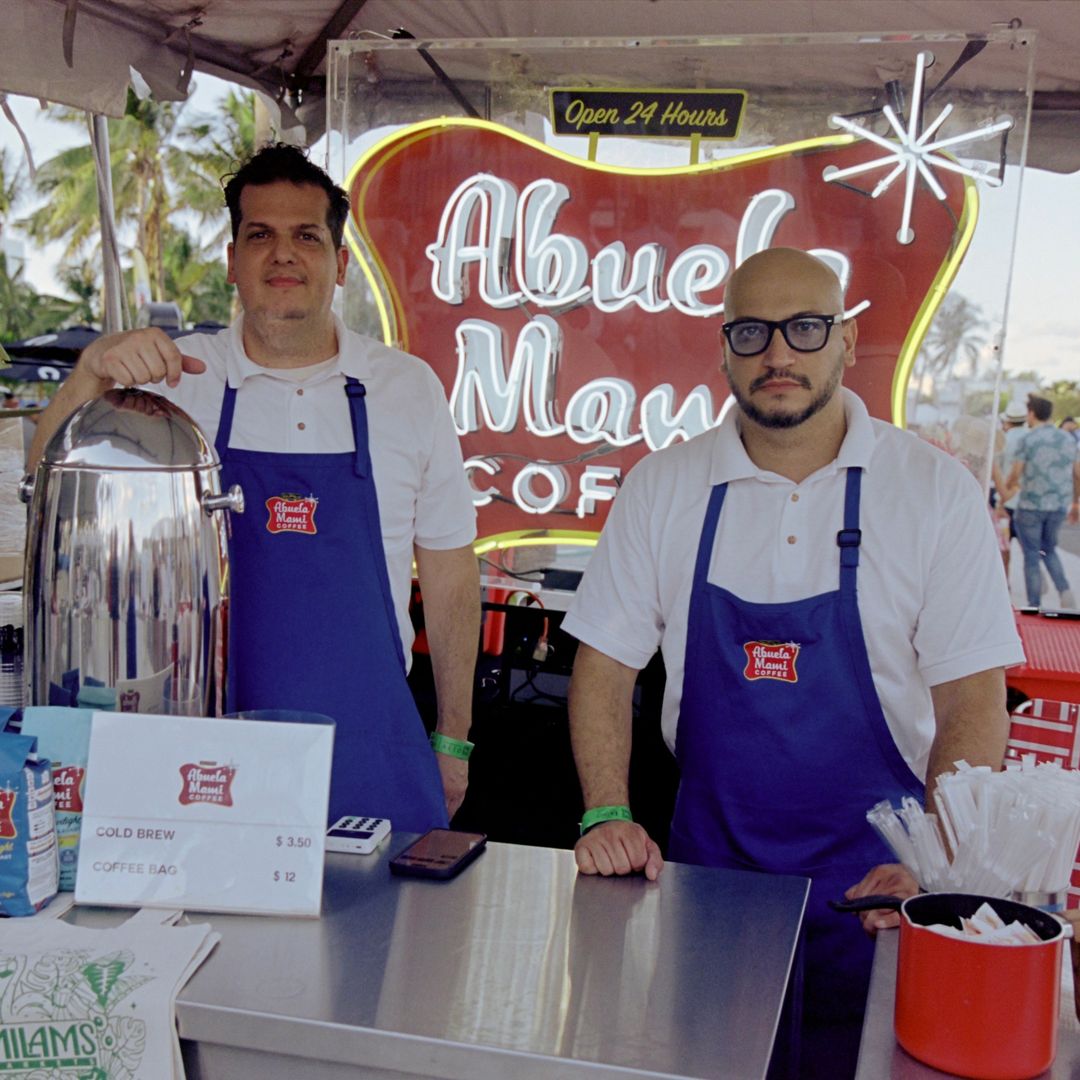
Humberto Valdes and his brother Kiki. The dream team behind Abuela Mami Coffee
You built the business with your younger brother, Kiki. Tell us about that relationship, and how it is to work with him.
Kiki’s my little brother. I’ve known him his whole life. We’ve always gotten along.
He’s a painter, so he’s had a very non-traditional career. When you’re an artist, you have to find different ways to make a living while still being able to create. I think that’s why we’ve both always had a very entrepreneurial spirit.
We’ve been working on projects together since we were kids. We’d make T-shirts, build websites, start little businesses; whatever idea we came up with, we’d work on it together.
Back when we were in high school, we even started a website called OpenZine. We’d interview bands, write reviews, and cover concerts. Then we turned it into a site for others to create their own magazines called Ownzee.
Looking back, that was one of our first real entrepreneurial projects. We’ve just always worked well together.
He’s very creative, and I’m a little more analytical. He brings the creative side to everything we do, and I usually look at it from the perspective of, “Okay, how can we actually make this happen? How do we build this into something real?” That’s why we’ve always made a good team.
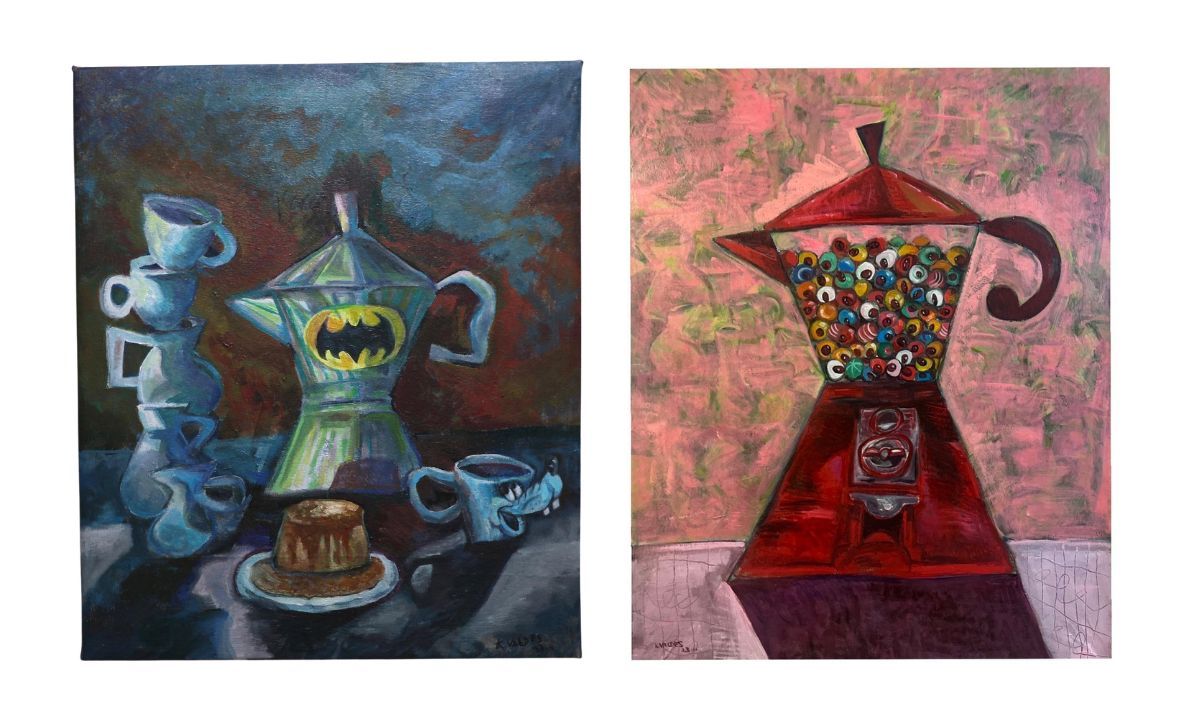
One of my favorite memories from this whole journey was watching Kiki paint cafeteras. It was amazing to see how people were buying the art because of those memories of growing up in Cuban homes.
I’d love for him to paint more of those one day again, because they captured exactly what we’ve always tried to do with Abuela Mami: take something ordinary that reminds people of home and turn it into something meaningful.
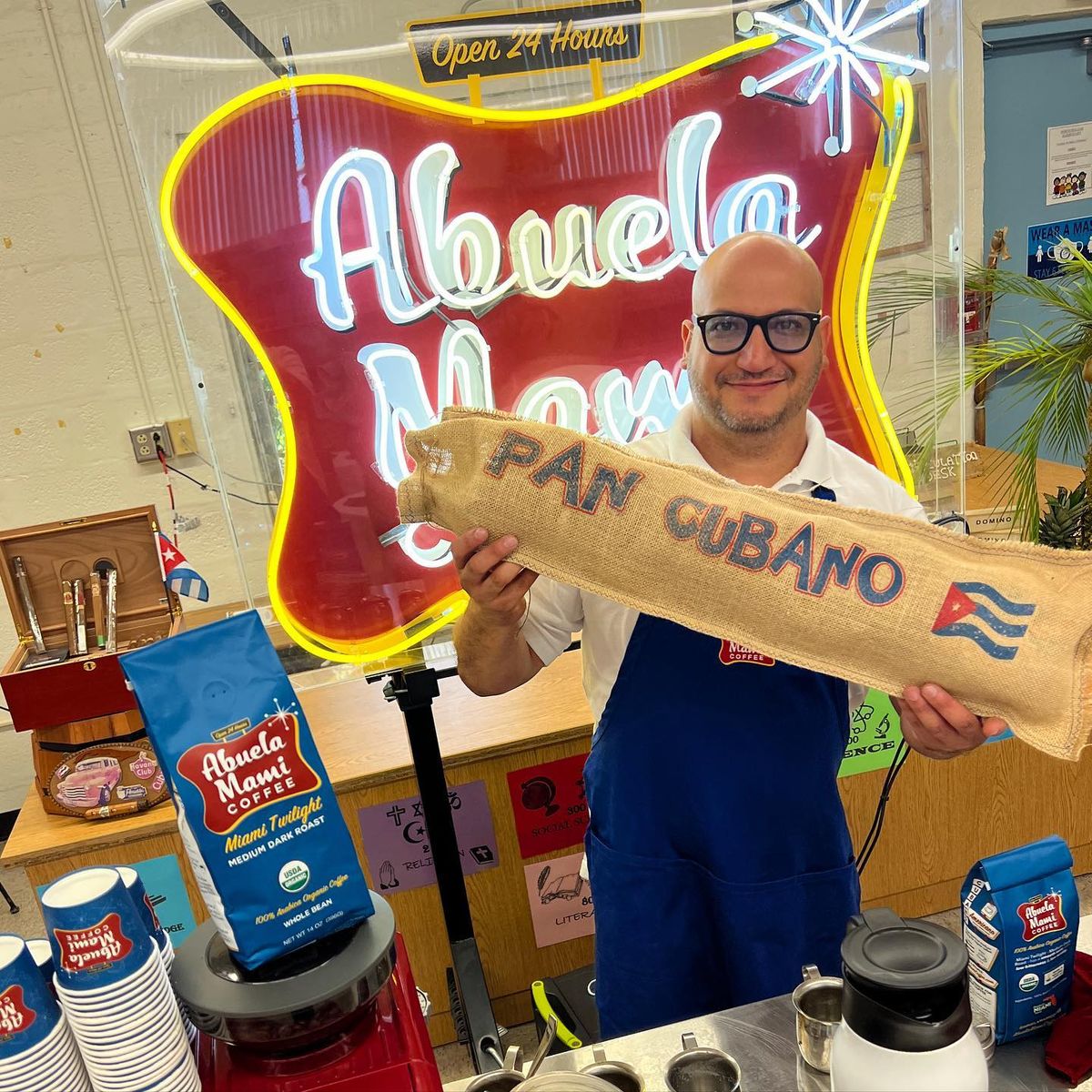
Kiki Valdes display Pan Cubano, the perfect pair for Abuela Mami’s Coffee
How long did you run the subscription box? Why walk away and pivot to just coffee?
6 years. Look, the box was working, and people still wanted it, but logistically, it was becoming a total nightmare. I remember one month we had 13 different products in the box. That meant dealing with 13 different companies, going out to 13 different businesses, hauling pallets, and moving inventory around.
On top of that, we were putting all this energy into promoting other people’s products. And don’t get me wrong, those legacy products are cool and amazing, but some of them aren’t as organic; they have GMOs and non-natural ingredients.
We started thinking, “What’s one product we can completely control? Something of high quality that I’d actually want to give to my mom, or my grandmother, Abuela Mami?” We wanted to build something we’d be proud to put our family’s name on.
We thought coffee was the perfect answer.
Once you get a coffee customer, you have them for a long time. It’s not like a candy bar you eat every once in a while; people drink coffee every single day to be productive and beyond. So, we decided to slowly wind down the subscription boxes and focus 100% on making our own coffee under the Abuela Mami brand, starting with our first roast.
How do you go from having the idea to actually manufacturing a physical coffee product?
Well, I’ve loved coffee since I was five years old, but I had absolutely no clue how to make it. So, we had to find a roasting partner to work with us. We ended up sourcing the beans from southwest Honduras and roasting them right here locally in Miami.
Once we got the beans, the roast, and the blend completely dialed in, we took it straight to my grandmother for a taste test. So Abuela Mami was indeed part of the story.
She took a sip and told us it reminded her of the coffee she used to drink back in Cuba. She smiled, and we looked at each other and thought, “That’s it.” Right then, we knew we had the perfect roast for our product.
Abuela Mami tasted the roast and approved it!
I love that. I bet there were also challenges in the process; could you share any you struggled with and how you overcame them?
We tried so many things. In fact, we tried working with restaurants, and that was a challenge. It was early on, but we quickly realized that the restaurant coffee industry wasn’t a coffee business. It’s a hardware, machine business. Major commercial brands like Lavazza dominate the market. These companies rent espresso machines to restaurants, maintain them, and include coffee as part of the package in order to retain them.
Restaurant owners aren’t looking for organic brands; they just want a machine that works so they don’t lose money and offer a product. If the machine breaks, they want to pick up the phone and have someone fix it for free. Once we saw it would be impossible to penetrate that niche, we stayed in our lane, focusing on online sales and targeted coffee events. We focused on loyal customers seeking this Cuban flavor.
How did you guys fund these ventures? Did you have small business loans or even use credit cards when you started?
With the subscription box, we kept it pretty simple. Once we knew the idea worked, that’s when we got a business line of credit.
Customers would place their orders, but we only shipped the boxes once a month. During that time, we had to buy all the products, pack everything, and cover shipping costs before the revenue from those orders came in. You need cash to make that happen.
That credit gave us the flexibility to cover those expenses while the business kept growing. The key was that we didn’t borrow money hoping the business would work. We tested and proved the concept first. It was already generating revenue, and only then did we use credit to help us scale. It wasn’t, “Maybe this will work.” We already knew it did.
Even today, we still use credit cards for everyday operating expenses like purchasing inventory, buying boxes, and covering postage.
The brothers roast and package the coffee locally in Miami
Where can people buy Abuela Mami coffee today, and what have you learned about retail distribution?
We sell it directly on our website and at Milam’s Supermarkets, which has locations throughout South Florida: Sunny Isles, Coral Gables, Miami Springs, and Coconut Grove.
At one point, we were also in Winn-Dixie and Fresco y Más, but that was a perfect example of trying to force something that just didn’t fit. Customers at Winn-Dixie are more price-sensitive than focused on organic products. Huge commercial coffee companies can produce products extremely cheaply, and we just couldn’t compete on price.
Milam’s has been a much better fit because their customers are more focused on quality than price. They’re reading the ingredients, looking for organic products, and understand that when you’re buying a higher-quality product, it’s not always going to be the cheapest option.
Was it difficult to get in the supermarkets? How did that happen?
We did a coffee event for Edible magazine, a food magazine, and it went really well. Through someone we met there, Kiki ended up connecting with the right person at Milam’s. That’s kind of how it’s always worked for us. You put yourself out there, make connections, and those opportunities lead to the next thing.
You never know which conversation is going to change your business.
“I’ve learned not to get too attached to a plan. Instead, I pay attention to what’s working. If customers are responding to something, we invest more in it. If something isn’t working, we don’t force it. We adapt.”
Humberto Valdes
Did you do many events to promote Abuela Mami?
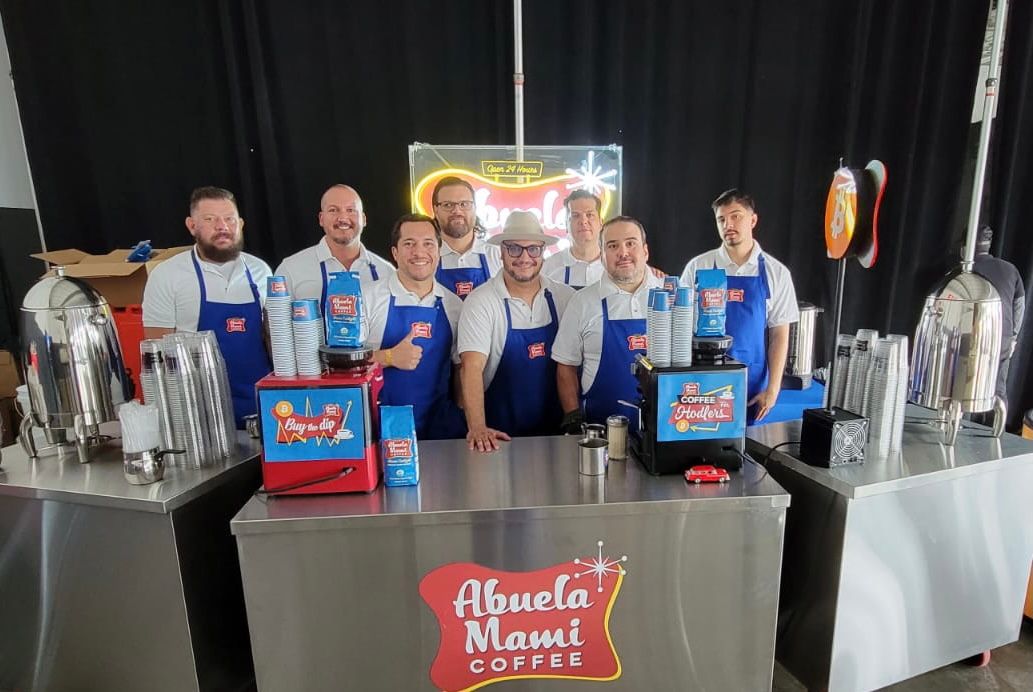
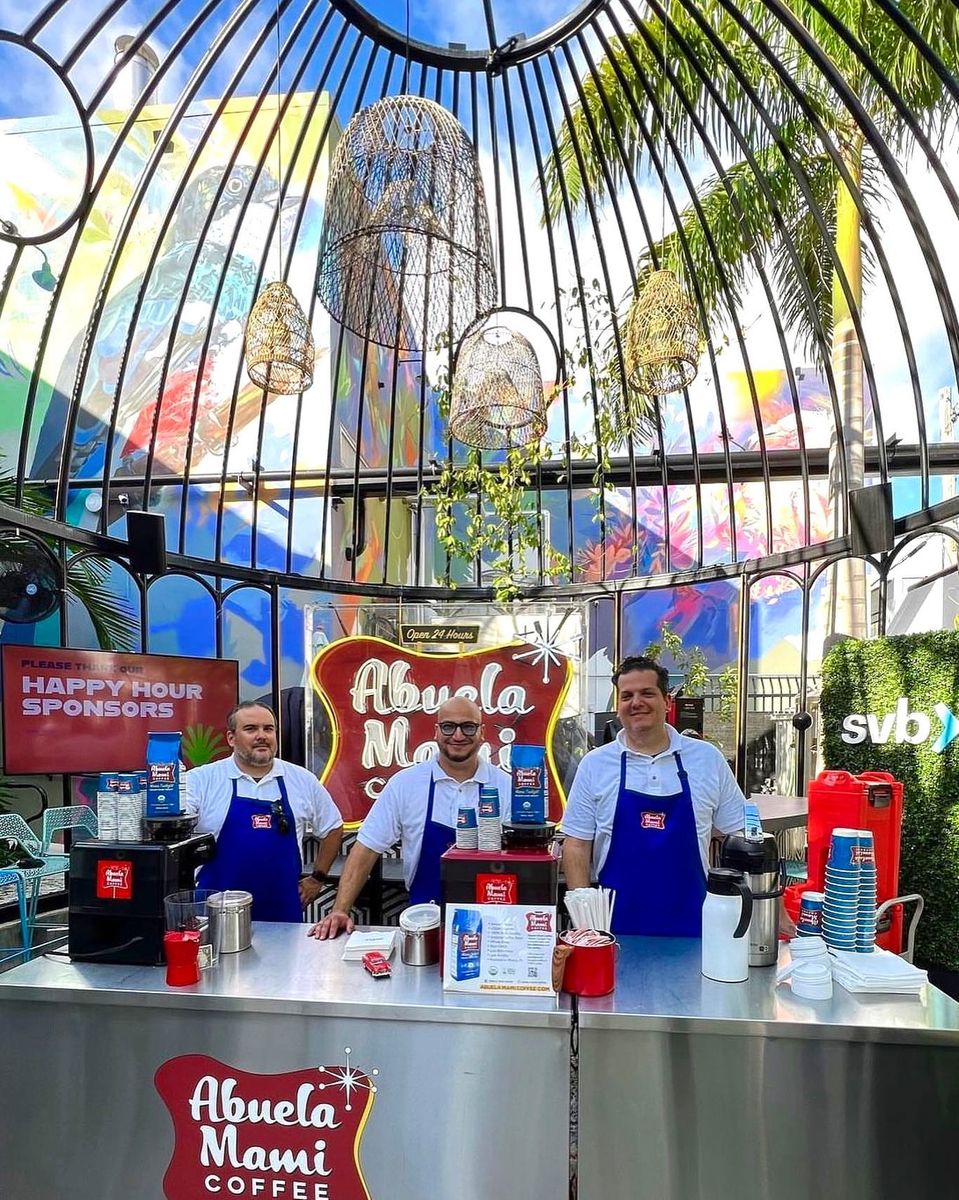
We did. We wanted people to taste the coffee because once they tried it, they’d either buy a bag or go to our website to order more. We did just about everything, from corporate events and Miami Dade College to tech conferences, the Bitcoin Conference, the Miami Marathon, and the Miami Half Marathon. The Bitcoin Conference was one of the biggest. That was intense. It was a three-day event, and I thought we had enough coffee for all three days. We went through all of it on the first day. We had about 15 people working, and it was nonstop.
The Miami Marathon was another memorable one. It’s crazy because there are so many people standing there waiting for coffee, and you’re going as fast as you can. Then the race starts, and suddenly it’s a ghost town because everybody takes off running. It’s a funny experience because it goes from complete chaos to completely empty in just a few minutes.
The biggest lesson was that events weren’t just about selling coffee. They were about introducing people to it. Once someone tasted the coffee, they’d usually buy a bag. The challenge was staying connected after the event was over. We needed a way to bring those customers back, so we focused more effort on marketing to them online. That way, when someone got home and thought, “Okay, I need another bag,” they knew exactly where to go: our website.
Humberto and Kiki Valdes with their team, including their older brother Hector.
Looking back on everything you’ve built, what’s one lesson you’ll carry with you as you continue growing Abuela Mami?
I’ve learned not to get too attached to a plan.
Whenever I’ve planned anything in my life, it always goes the opposite direction. That’s why I don’t spend a lot of time saying, “This is exactly where we’ll be five years from now.”
Instead, I pay attention to what’s working. If customers are responding to something, we invest more in it. If something isn’t working, we don’t force it. We adapt.
That’s really how we’ve built Abuela Mami from the beginning. We started with a subscription box, evolved into coffee, and every step came from listening, learning, and being willing to change. I think that’s probably the biggest lesson entrepreneurship has taught me.
The two brothers with Abraham Brezo, a longtime collaborator who has been instrumental in their coffee events.
What do you hope people feel when they brew a cup of Abuela Mami Coffee?
I hope it reminds them of home. Whether that’s growing up in Cuba or Miami, spending time with their grandparents, or just sitting around the kitchen table with family, that’s always been the heart of what we’re trying to build.
Coffee brings people together. It starts conversations. It becomes part of your daily routine.
If someone takes a sip and it brings back a memory or makes them feel connected to their family and culture, then we’ve done what we set out to do.
princesa leonor ha sido nombrado estudiante de alférez naval y recibirá la Gran Cruz del Mérito Aeronáutico con Distinción Blancael mismo prestigioso honor otorgado a su padre, Rey Felipe VIen 1988. Recibió la condecoración Príncipe de Asturias tras completar su formación en la Academia General del Aire, lo que sitúa [...]
 © Courtesy
 © Courtesy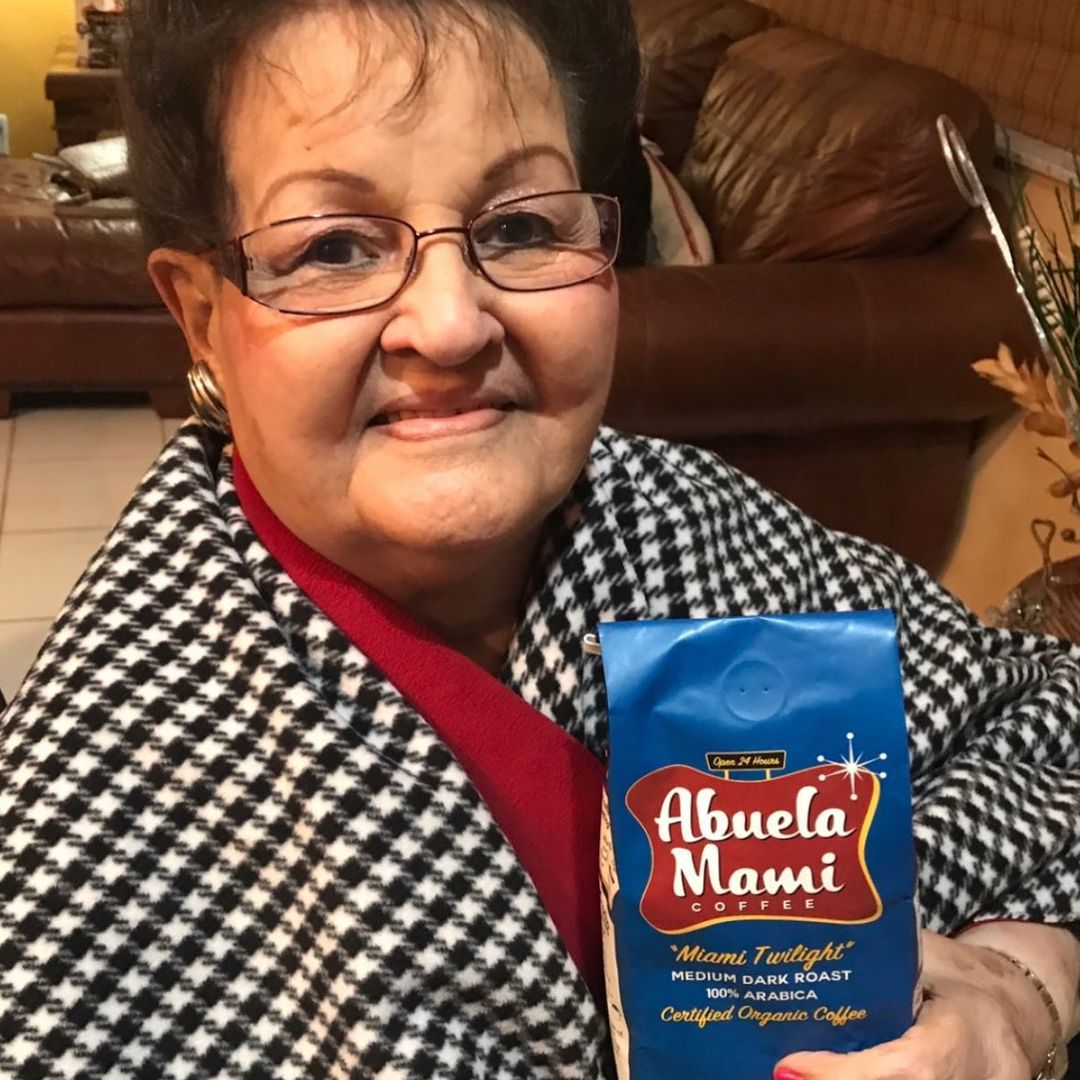
 © Courtesy
 © Courtesy
 © Kiki Vales
 © Courtesy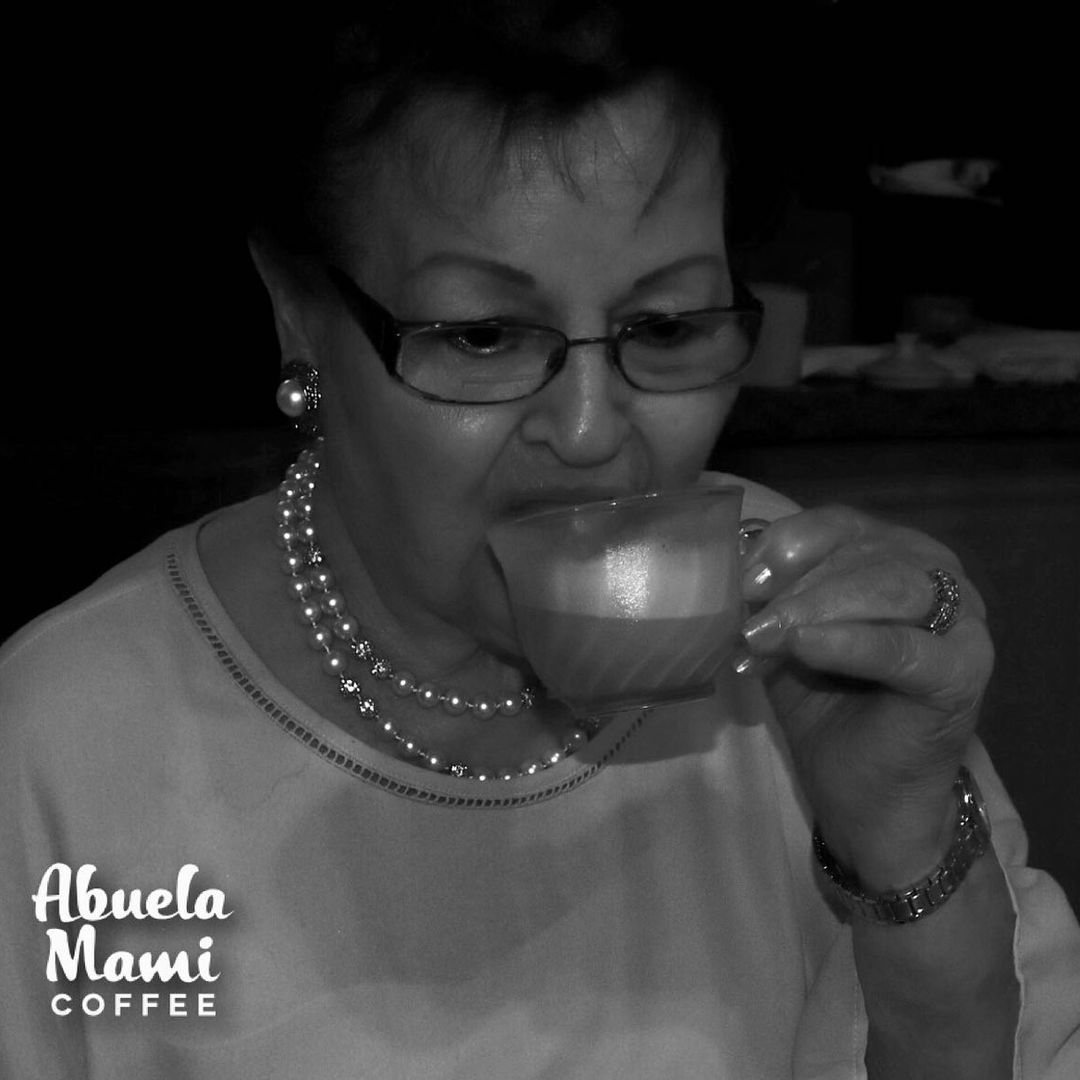
 © Courtesy
 © Courtesy
 © Courtesy
 © Courtesy